

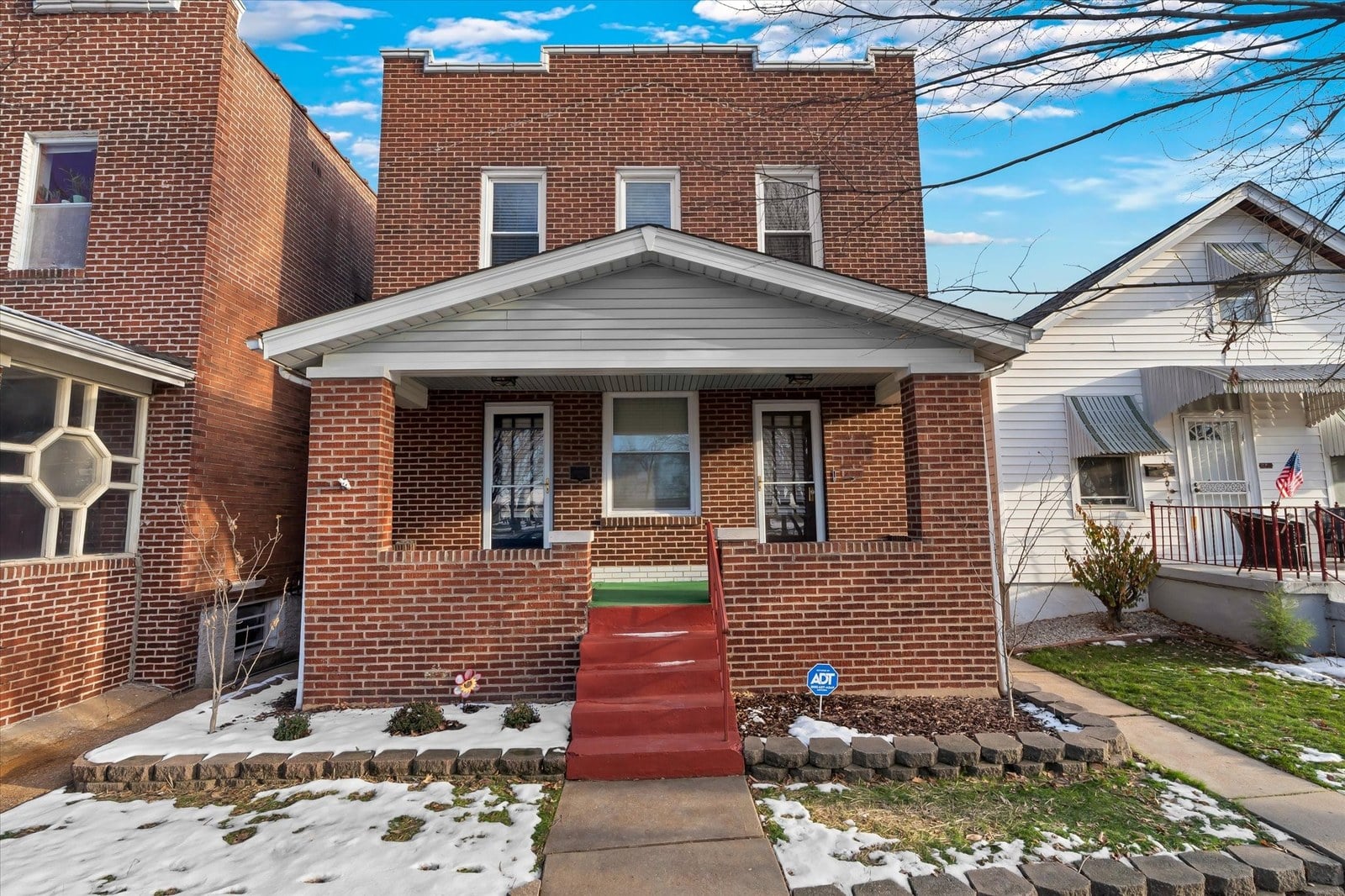
If you’ve ever driven through South City, you’ve seen them: sturdy brick two-family flats and four-family buildings, many built close to a century ago. For a first-time investor, these buildings can be one of the most practical ways into real estate. You can live in one unit and let the rent from the others help pay the mortgage. But they’re not right for everyone, and older buildings come with their own surprises.
Why a Small Multi-Family Building Can Make Sense
- Rent helps cover your costs. When you live in one unit and rent the others, your tenants’ rent helps pay the mortgage, taxes, and insurance.
- Easier financing than many people expect. If you live in one of the units, some loan programs allow a much smaller down payment on a 2- to 4-unit building than a typical investment loan. Lenders may also count part of the expected rent when deciding what you qualify for. Rules and limits vary, so talk with a lender early.
- You learn as a landlord with training wheels. Living on site makes it easier to keep an eye on the property, handle small repairs quickly, and get to know your tenants.
- One roof, more than one income. If one unit sits empty for a month, the others still bring in rent. With a single rental house, a vacancy means no income at all.
Duplex or 4-Family: Which Fits You?
A two-family is usually the easiest place to start. There’s one tenant to manage, and the building often feels and sells like a home. It’s a good fit if you want to ease into being a landlord.
A three- or four-family brings in more rent, but it also brings more tenants, more turnovers, and more wear and tear. Financing for 3 and 4 units can also have stricter requirements, such as showing the rents can cover the payment. It’s a good fit if you’re ready to treat it like a small business.
What to Look for in an Older St. Louis Building
Many of our multi-family buildings were built long before modern codes, so look past the charm and check the bones:
- Separate utilities. Find out whether each unit has its own electric and gas meter and its own furnace and water heater. Shared utilities mean you pay those bills.
- The sewer line. Old clay and cast-iron lines are common in older neighborhoods. A sewer scope is a small cost compared to a surprise repair.
- Roof, tuckpointing, and foundation. Brick lasts, but mortar wears out. Look for loose mortar, cracks, and water stains in the basement.
- Electrical and plumbing. Older wiring and plumbing may need updates before you can rent with confidence.
- Lead paint. Homes built before 1978 may have lead-based paint, and landlords have disclosure duties to tenants.
- Current leases and rents. If the building is already rented, ask for copies of the leases, the rent amounts, and the security deposits you’d be taking over.
Know the Local Rules
Rental rules depend on where the building sits. The City of St. Louis and many St. Louis County and Jefferson County towns have their own requirements for rental properties, such as occupancy permits and inspections. Check with the city or county for the specific address before you make an offer.
Run the Numbers Before You Fall in Love
A simple check: add up the monthly rent from the units you won’t live in. Then subtract the mortgage, taxes, insurance, utilities you pay, and a monthly cushion for repairs and empty months. If the building only works when every unit is rented every month with no repairs, keep looking.
The Bottom Line
A duplex or 4-family can be a smart first step into investing, especially if you live in one unit. The best buys are buildings with solid bones, separate utilities, and numbers that still work on a bad month.
Wondering whether to rent your extra unit to a long-term tenant or to visitors? Read Long-Term Rental or Airbnb? What St. Louis Investors Should Know.
Touring a building? Read What to Look for When Touring an Older Investment Property in St. Louis before you go.
Thinking about buying your first income property in St. Louis or Jefferson County? I’d be glad to help you find the right building and look at it with an investor’s eye.
County Cottage Realty. Where every home tells a story.
Call or text Patty today: 📱 314-707-0958