

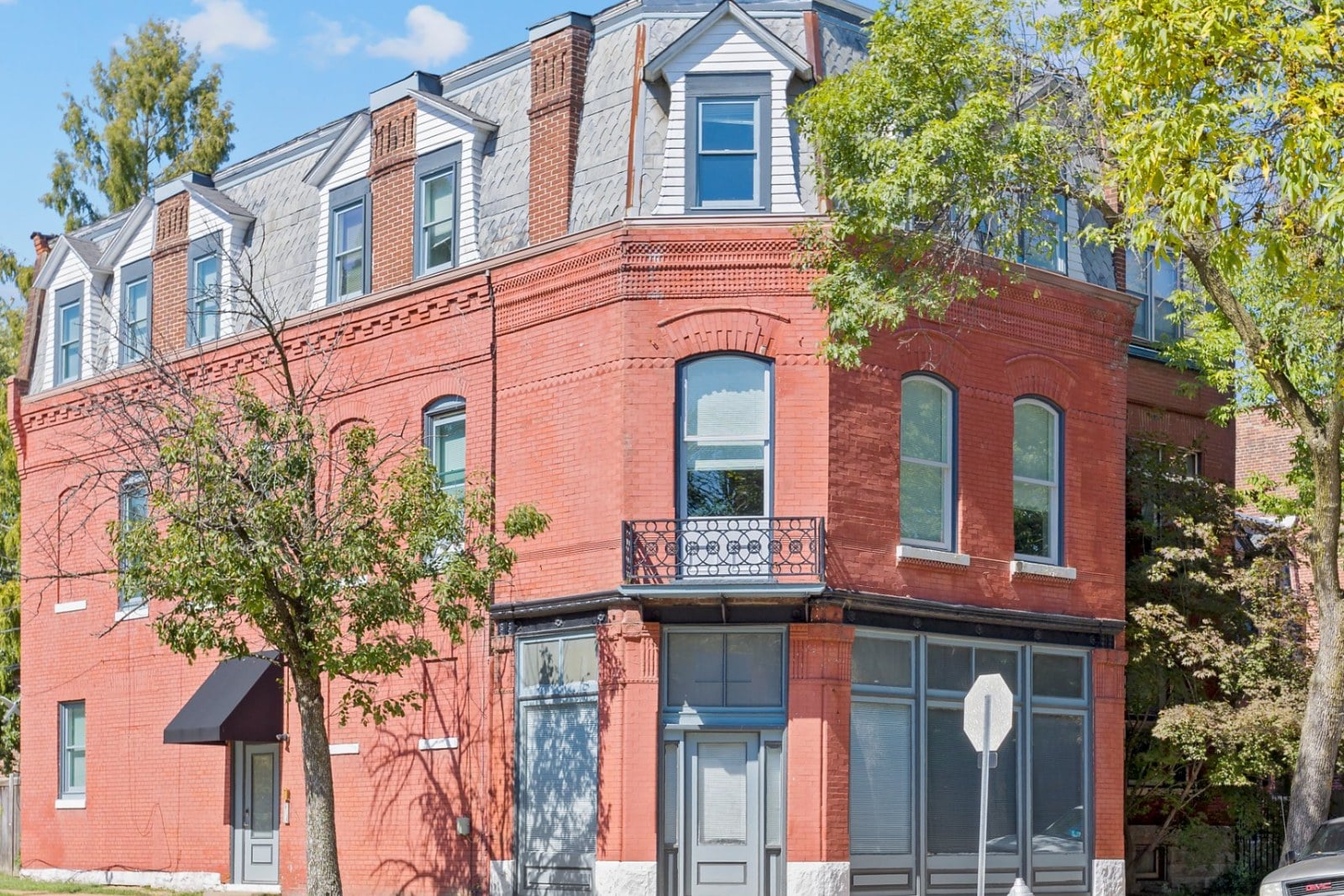
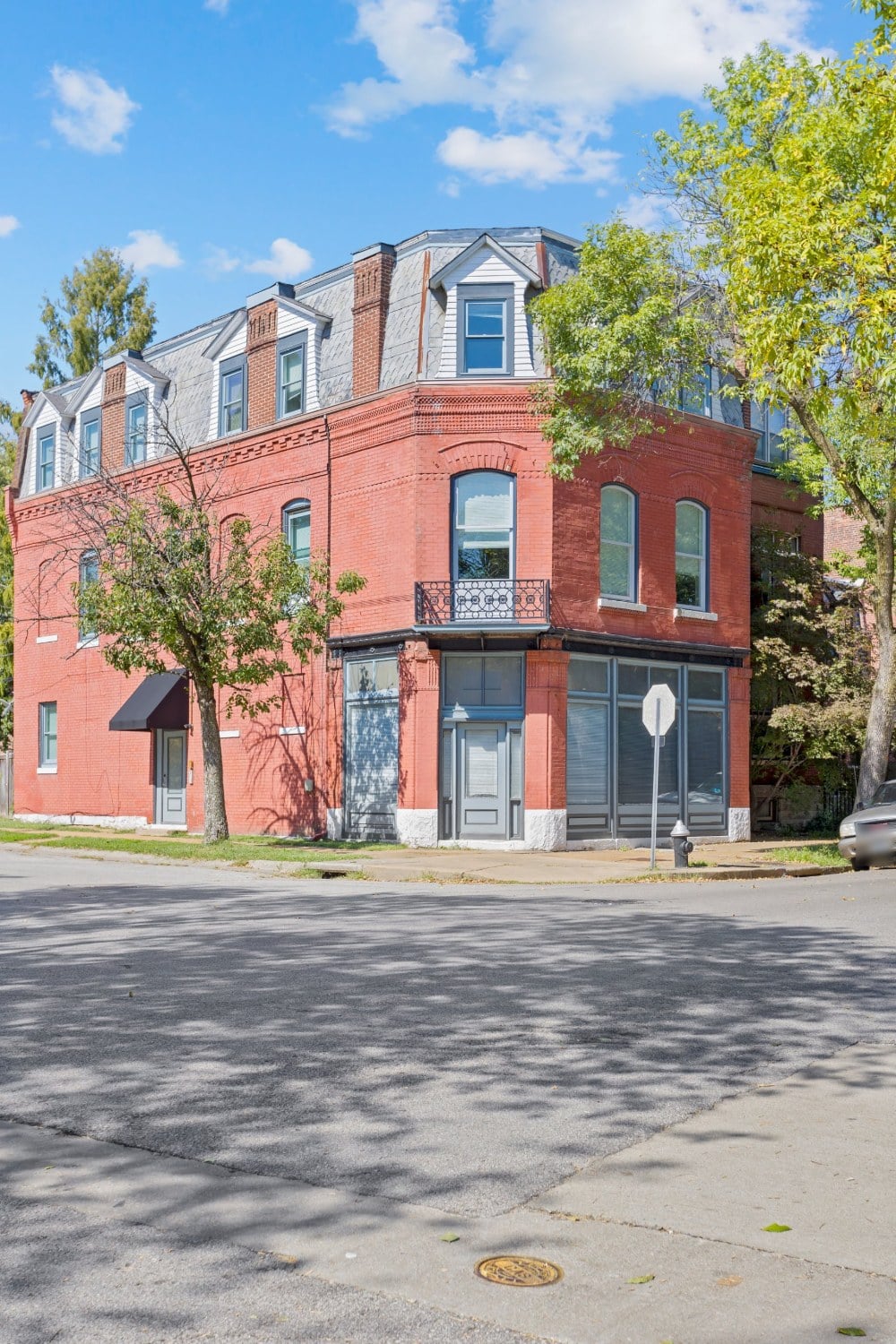
St. Louis is full of beautiful older buildings: brick two-family flats, corner buildings with slate mansard roofs, and four-families with big front porches. They have character you can’t find in new construction, and they can make great rentals. But a 100-year-old building can also hide expensive surprises. Here’s how to tour one with an investor’s eye, from the curb to the basement.
Start Outside
- The roof. Slate and tile roofs can last a very long time, but missing or slipping pieces and worn flashing let water in. Flat roofs, common on South City flats, need regular coating and good drainage. Ask how old the roof is and whether there’s been any leaking.
- Brick and mortar. Look for missing or crumbling mortar, cracked or bulging walls, and white staining. Tuckpointing is normal upkeep for brick buildings, but large areas add up.
- Gutters and drainage. Water should flow away from the building, not toward it. Poor drainage is one of the most common causes of basement water.
- Porches, stairs, and balconies. Older wood porches and back stairs take a beating. Check for soft spots, loose railings, and rust on metal stairs, especially where tenants use them every day.
Head to the Basement
The basement tells you more than any other room.
- The foundation. Many older St. Louis homes sit on stone foundations. Look for loose stones, crumbling mortar, and active water.
- Water. Stains, a damp smell, efflorescence on the walls, or a sump pump running hard all point to water problems.
- Heating. Older multi-family buildings may have boilers and radiators, separate furnaces for each unit, or a mix. Ask for the age of each system and any service records.
- Water heaters. Check how many there are, how old they are, and which units they serve.
- Pipes. Old galvanized steel or cast-iron pipes can rust from the inside. Also look for old wrap on heating pipes. Some older insulation contains asbestos and should be checked by a professional before anyone disturbs it.
Check the Systems
- Electrical. Look at the panels. Each unit should have its own. Older buildings may still have knob-and-tube wiring or fuse boxes, which can limit insurance options and usually need updating.
- Separate meters. Count the electric and gas meters. If the units share meters, you’ll likely pay those utilities yourself.
- The sewer line. Older clay lines crack and fill with tree roots over time. A sewer camera inspection is a small cost compared to digging up a yard and sidewalk.
Walk Through Every Unit
Ask to see every unit, not just the vacant one.
- Condition. Look at floors, kitchens, bathrooms, windows, and ceilings for stains. One worn-out unit can mean a big bill when that tenant moves out.
- Safety basics. Check for working smoke detectors, carbon monoxide detectors where needed, and a safe way out of each unit.
- Layout. Separate entrances, laundry access, and storage all affect how easy the units are to rent.
Ask for the Paperwork
- Current leases, rent amounts, and security deposits
- Utility bills for the past year, so you know what the owner pays
- Repair and service records
- Any permits or open violations with the city
- Lead-based paint disclosures for homes built before 1978
Know the Local Rules
Many towns in the St. Louis area require inspections or occupancy permits before a building changes hands or a new tenant moves in, and the requirements vary from place to place. Ask early, because repairs needed to pass can affect your budget and timeline.
Bring in the Pros
Even the best tour is no substitute for a professional home inspection. For older buildings, it’s often worth adding a sewer scope, a roofer, or an electrician for a second opinion. Need names? My Contractors page lists local pros I trust. 🛠️
The Bottom Line
An older St. Louis building can be a wonderful investment. The key is knowing what you’re buying. Look past the charm, check the bones, and budget for the repairs you find before you make an offer, not after.
More for investors: Is a Duplex or 4-Family a Smart First Investment in St. Louis? and Long-Term Rental or Airbnb? What St. Louis Investors Should Know
Thinking about buying an older investment property in St. Louis or Jefferson County? I’d be glad to tour it with you and help you see what’s really there.
County Cottage Realty. Where every home tells a story.
Call or text Patty today: 📱 314-707-0958