

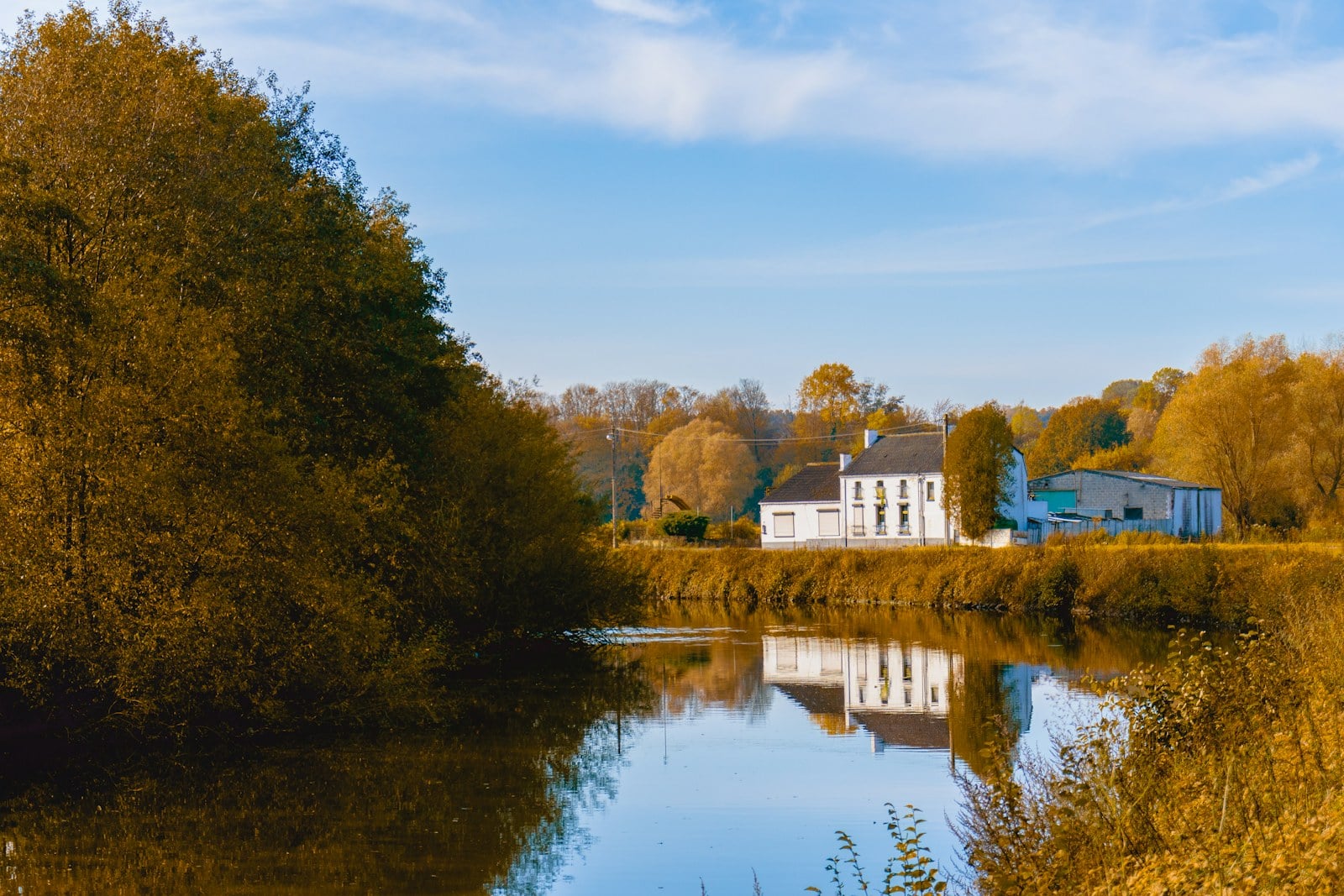
The quick version: Before you make an offer on a home near the Meramec, look up its FEMA flood zone, find out whether your lender will require flood insurance, and get an insurance quote. Ask the seller about the home’s flood history, because Missouri doesn’t require sellers to bring it up. And make sure your contract gives you time to check all of this, so you can walk away if the answers aren’t good.
The Meramec set flood records in December 2015 and again in May 2017, closing Interstate 55 in Arnold and Interstate 44 near Valley Park. That doesn’t mean you should cross Fenton, Arnold, Valley Park or Eureka off your list. Most homes there sit well away from the river, and they’re some of the best values in South County and Jefferson County. But if a home is anywhere near the water, here’s what I walk my buyers through.
1. Look up the flood map yourself
FEMA’s flood maps are free and easy to check. Go to the FEMA Flood Map Service Center (msc.fema.gov), type in the address, and look at the flood zone. To get a feel for what a flood could cost, Missouri’s State Emergency Management Agency also has a free Flood Visualization Tool on its website (sema.dps.mo.gov) that estimates flood depth and repair costs for a home like the one you’re looking at. It’s a good first look, but the FEMA map is what lenders and insurers use.
- A zone that starts with A (like AE) is a Special Flood Hazard Area, the area FEMA expects to have a 1% chance of flooding in any given year. That sounds small, but over a 30-year mortgage it works out to at least a 1 in 4 chance.
- Zone X means moderate or low risk. Lower risk is not no risk, though, and heavy rain can flood streets and basements far from any river.
2. Find out if flood insurance will be required
If the house is in a Special Flood Hazard Area and you’re getting a federally backed mortgage (which is most mortgages, including FHA and VA loans), your lender will require flood insurance, and you’ll find out early in the loan process.
A standard homeowners policy does not cover flood damage, so even when it isn’t required, I suggest a quote for any home close to the river or a creek.
3. Get an insurance quote during your inspection period
Flood insurance premiums are now priced home by home, based on things like the home’s elevation and distance from water, so two houses on the same street can have very different costs. That premium becomes part of your monthly payment, so get a quote from an insurance agent early, while you can still change your mind.
Two money-saving questions to ask:
- Does the seller have a National Flood Insurance Program (NFIP) policy? An NFIP policy can usually be transferred to the buyer when the home sells, and it may carry a lower rate than a brand-new policy. (Private flood policies can’t be transferred.)
- Is there an elevation certificate? It shows how high the home sits compared with expected flood levels, and it can help your insurance agent give you an accurate price.
A new NFIP policy normally has a 30-day waiting period, but that wait doesn’t apply when the policy is bought as part of getting your mortgage, so it won’t hold up your closing if you plan ahead.
4. Ask about the home’s flood history
This is the one most buyers miss. Missouri law doesn’t specifically require a seller to tell you whether a home has flooded, and FEMA’s privacy rules mean it can only share a property’s flood claim history with the current owner. So you have to ask.
- Read the seller’s disclosure statement carefully and ask follow-up questions about water, drainage and the basement.
- Ask the seller to request the home’s NFIP flood loss history from FEMA. It’s free for the owner to request.
- Look for clues at the showing and inspection: water lines on basement walls, new drywall or fresh paint along the bottom of walls, a musty smell, or a new sump pump or dehumidifier.
- Talk to the neighbors. They remember 2015 and 2017.
5. Build the time into your offer
Flood checks take a few days, so plan for them in your contract. When we write your offer, I’ll make sure you have time to review the flood zone, your lender’s requirements and a real insurance quote, with a way out if the answers don’t work for you. That way a surprise premium doesn’t turn into a problem at the closing table.
A little local history
After the Great Flood of 1993, St. Louis County, Arnold and Fenton used federal buyouts to purchase many of the most flood-prone homes, and those lots can’t be rebuilt. Much of that land is now parks and trails, and Valley Park is protected by a levee that held back the record floods. So the riskiest pockets have fewer homes today, but the areas around them still deserve a careful look.
Selling a home near the river?
Be upfront and be ready with your flood zone, your flood insurance policy (a transferable NFIP policy can be a real selling point), any elevation certificate, and receipts for drainage or waterproofing work. Buyers who get clear answers early are much less likely to walk away.
Let’s look at it together
I’ve helped buyers and sellers across South County and Jefferson County since 1987. If you’re eyeing a home near the Meramec, I’ll help you check the map, line up an insurance quote and ask the right questions before you make an offer.
County Cottage Realty. Where every home tells a story.
Call or text Patty today: 314-707-0958 📱
This article is general information, not legal or insurance advice. Talk with an insurance agent about coverage and costs for a specific home.
Sources: FEMA National Flood Insurance Program; National Weather Service; St. Louis Public Radio; Natural Resources Defense Council; Missouri State Emergency Management Agency.