

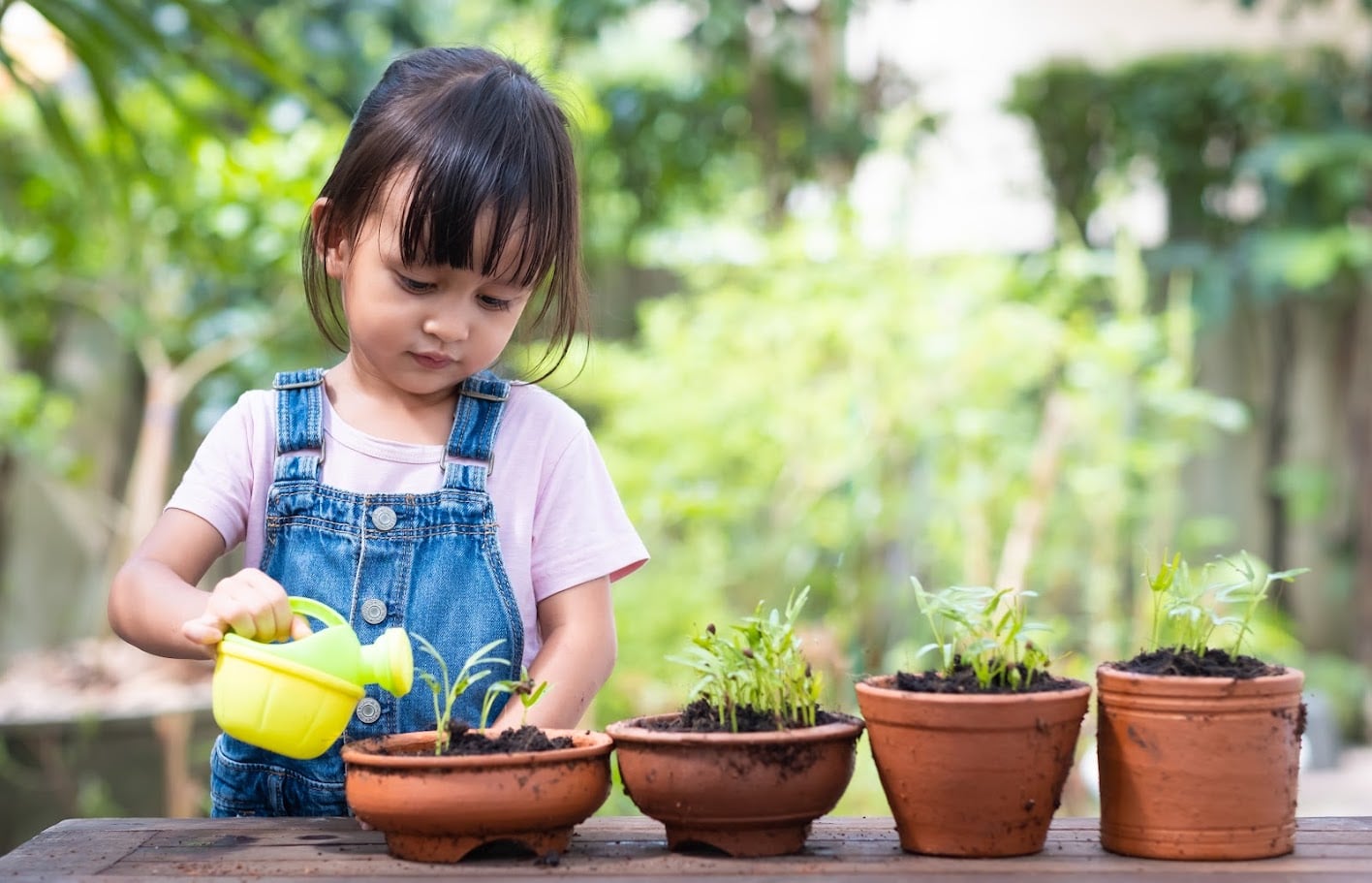
You don't need a big backyard — or even a yard at all — to grow something worth eating. Whether it's a few pots on a balcony or a full raised-bed garden, home gardening has become one of the most popular ways for health-conscious people of every age to eat better, spend more time outdoors, and take a little more control over what ends up on their plate. Here's a practical look at the styles and containers shaping home gardens right now, smart ways to keep everything watered without babysitting it daily, and what the research actually says about growing your own food.
Types and Styles of Home Gardens
Home gardening has moved well beyond a single row of tomatoes along the fence. A few styles are especially popular right now:
- Container and patio gardens. Outdoor living spaces are increasingly treated as an extension of the home, and container gardening is leading that shift — patios, porches, decks, and balconies are being planted almost like outdoor rooms. This style works at any scale, from a single statement planter to a fully layered patio garden, and it's especially popular with gardeners who want an elegant, low-maintenance space rather than a large in-ground bed to maintain.
- Raised bed and edible gardens. Edible gardening remains one of the top gardening goals across every age group, and raised beds are the easiest way to do it well — better soil control, easier weeding, and a defined space that doesn't take over the whole yard.
- Vertical gardens. For smaller spaces, growing up instead of out — trellises, wall-mounted planters, and tiered stands — maximizes what a balcony or small patio can produce without sacrificing floor space.
- "Botanical bento" and layered container plantings. A newer trend toward compact, intentional container groupings — a few well-chosen, well-arranged pots rather than a scattering of small ones — delivers real visual impact in a small footprint, which works especially well for renters or smaller properties.
- Upcycled and repurposed containers. Vintage crates, drawers, colanders, gutters, and other household items are being repurposed as planters — a sustainable, low-cost way to add character to a garden, provided drainage holes are added.
- Native and pollinator-friendly plantings. Alongside edible gardens, more homeowners are mixing in native plants and evergreens that support pollinators and require less water and maintenance once established.
Choosing the Right Containers
Containers matter as much as what's planted in them, both for plant health and how the space feels:
- Go bigger, use fewer pots. One or two substantial, well-placed containers generally look more intentional and hold moisture better than a scattering of small pots that dry out quickly.
- Material affects watering needs. Terracotta breathes and dries out faster (good for herbs that prefer drier soil, more demanding for thirstier vegetables); glazed ceramic, resin, and galvanized metal retain moisture longer and need less frequent watering.
- Always prioritize drainage. Whatever the container — a proper planter or a repurposed household item — drainage holes are non-negotiable for healthy roots.
- Layer for a cohesive look. Grouping a few containers of different heights but similar material or color reads as a designed space rather than a random collection of pots.
Creative Ways to Keep a Garden Watered
Inconsistent watering is the number one reason container and vegetable gardens struggle — soil in pots dries out far faster than soil in the ground, especially in summer heat. The good news: there are options for every budget and every level of hands-on involvement.
Low-tech and budget-friendly:
- DIY bottle drip irrigation. A plastic bottle with a few small holes poked near the base, buried or inverted next to a plant, slowly releases water over a day or two — a nearly free way to extend time between waterings.
- Terracotta watering spikes (ollas). These unglazed clay spikes are inserted into the soil and connected to a bottle or reservoir; the porous clay releases water gradually as the surrounding soil dries out, which is a centuries-old method that still works extremely well for containers.
- Watering globes. Decorative glass bulbs that slowly release water into the soil — a good supplemental option for smaller pots or short trips away from home.
- Self-watering containers. Planters with a built-in water reservoir at the base wick moisture up to the roots as needed, which is one of the most reliable low-effort solutions for anyone who tends to forget to water.
More automated options:
- Drip irrigation kits. A simple hose-and-emitter system connected to an outdoor faucet can water anywhere from a handful of pots to a full garden bed, using significantly less water than a sprinkler while delivering it directly to the roots.
- Solar-powered and app-controlled watering systems. Increasingly affordable and easy to install, these let you set a watering schedule (or let soil-moisture sensors decide) without running a hose to a timer box — a good fit for vacation coverage or larger container collections.
- Smart moisture sensors. Paired with a basic drip system, sensors ensure plants are watered only when they actually need it, which reduces both water waste and the risk of overwatering.
A practical rule of thumb: for most container gardens, a simple drip irrigation system on a $20–$40 mechanical timer covers 90% of the benefit of a fully "smart" system at a fraction of the cost and complexity — worth starting there before investing in anything more elaborate.
The Real Benefits of Growing Your Own Organic Fruits and Vegetables
Growing your own food isn't just a hobby — there's real, well-documented benefit behind it, on both the nutrition side and the everyday wellbeing side.
Nutrition and food quality:
- Fresher means more nutrients. Produce begins losing vitamins and minerals as soon as it's harvested, and commercial produce often travels for days before reaching a store shelf. Homegrown fruits and vegetables go from garden to plate in minutes to hours, preserving more of their nutritional value.
- You control what touches your food. Growing organically means avoiding synthetic pesticide and herbicide residue entirely — a meaningful benefit for anyone concerned about chemical exposure in commercially farmed produce.
- Organic produce may offer a nutritional edge. Some research points to modestly higher antioxidant and vitamin C levels in organically grown produce compared to conventionally grown counterparts, though the broader research picture on health outcomes is still developing and not yet fully conclusive — the clearest, most consistently supported benefit remains simply eating more fruits and vegetables overall, however they're grown.
- You eat more of it. Multiple studies point to a simple but powerful pattern: people who grow their own food tend to eat more fruits and vegetables than they otherwise would, largely because it's fresh, available, and satisfying to use what you've grown.
Beyond nutrition:
- Physical activity. Gardening involves real physical movement — digging, bending, carrying, lifting — that adds up to meaningful low-impact exercise, particularly valuable for older gardeners looking to stay active without high-impact strain.
- Mental health and stress relief. Time spent gardening is consistently linked to reduced stress and improved mood, and the main motivation most people cite for gardening today is exactly that: creating a space that helps lower stress, not just producing food.
- Sunlight and vitamin D. Time outdoors tending a garden means natural sunlight exposure, which supports vitamin D synthesis — genuinely useful for people who spend most of their day indoors.
- A sense of accomplishment. There's a well-documented psychological benefit to growing something from seed to harvest — a sense of self-sufficiency and achievement that store-bought produce simply doesn't provide.
Getting Started Without Overcomplicating It
A realistic, sustainable home garden for most health-conscious people doesn't need to be elaborate:
- Start with two or three large containers rather than a dozen small ones — easier to maintain and more forgiving if you miss a watering.
- Pick a handful of easy, high-reward plants — cherry tomatoes, herbs, peppers, and leafy greens are reliable starting points for beginners and produce a genuinely useful amount of food in a small space.
- Set up one simple watering solution — even a basic drip line on a timer or a few terracotta watering spikes will do far more for consistency than watering by hand and hoping you remember.
- Add one container just for herbs. Fresh herbs are one of the easiest, most immediately rewarding things to grow, and they elevate everyday cooking more than almost anything else in the garden.
- Expand gradually. A garden that grows one season at a time, based on what actually worked, tends to last far longer than one that starts too big and becomes overwhelming.
The Bottom Line
Home gardening in 2026 is as much about wellbeing as it is about food — a way to spend time outdoors, eat fresher, more nutrient-dense produce, and build something with your hands, whether that's a few pots on a balcony or a full raised-bed garden. With the right containers and a simple, low-maintenance watering setup, it's genuinely achievable at any age and any space size — and the payoff, from the plate to the mind, is well worth the effort.
Check out this article next