
How To Refresh a Classic Home for Today’s Buyers
An older home can offer craftsmanship, character, and location advantages that newer builds sometimes lack. But today’s buyers expect comfort, efficiency, and a certain level of polish. If you’re preparing to sell, the goal isn’t to erase history — it’s to present it in a way that feels current, functional, and move-in ready.
Key Points
- Modern buyers prioritize energy efficiency, updated kitchens and baths, and open-feeling spaces.
- Small cosmetic changes can dramatically shift perception without major renovation.
- Systems updates (plumbing, electrical, HVAC) build trust and reduce buyer hesitation.
- Neutral finishes and improved lighting help older homes feel larger and brighter.
- Pre-listing preparation can increase perceived value and shorten time on market.
Reworking the Layout Without Major Construction
Older homes often have compartmentalized floor plans. Buyers today lean toward connected living spaces that feel flexible and bright.
You don’t necessarily need to knock down walls. Instead:
- Remove heavy drapery and dated window treatments.
- Replace bulky furniture with streamlined pieces to show scale.
- Use consistent flooring in adjoining rooms to create visual flow.
- Widen cased openings where structurally feasible.
- Add mirrors to bounce light and visually expand tighter spaces.
These adjustments help buyers imagine hosting, working from home, and living comfortably without feeling boxed in.
Upgrading Kitchens and Baths for Instant Credibility
Kitchens and bathrooms carry outsized influence in purchase decisions. In older homes, even modest updates can dramatically improve marketability.
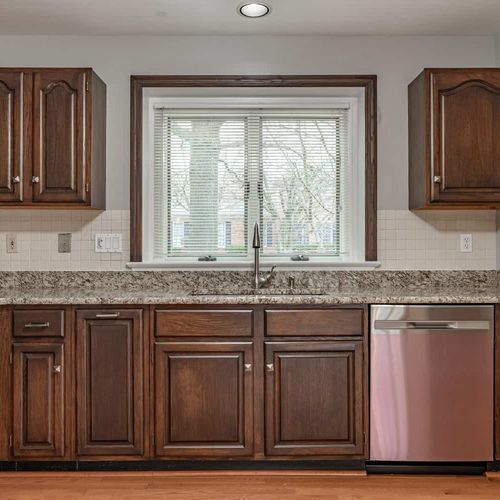
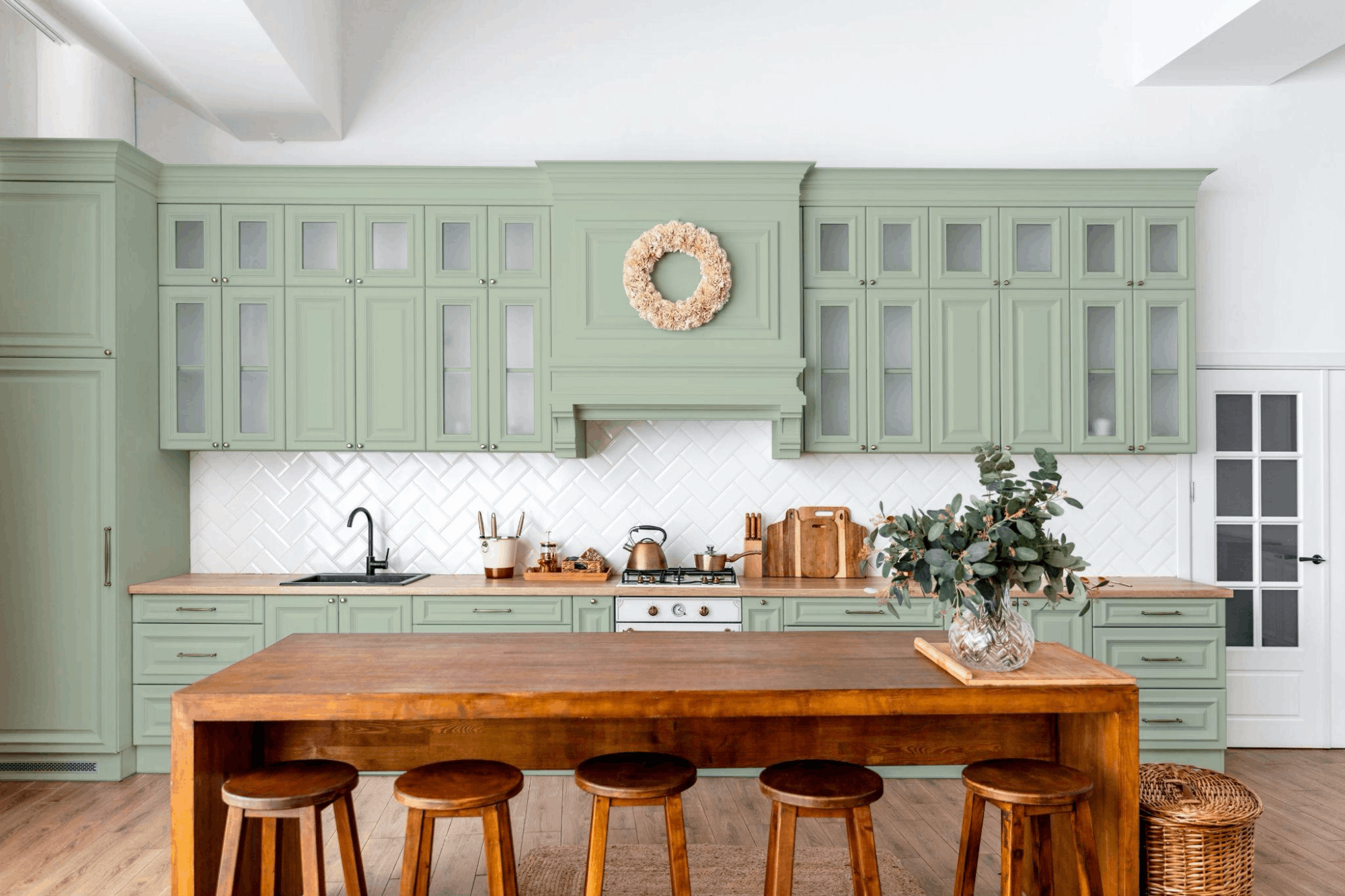
Focus on clean lines and timeless materials: quartz or stone-look counters, simple cabinet hardware, neutral backsplashes, and updated lighting. In bathrooms, replace worn vanities, re-grout tile, and install modern faucets and mirrors. Even reglazing a tub can shift a buyer’s perception from “project” to “ready.”
The result? Fewer objections during showings and inspections.
Modernizing Plumbing Fixtures and Core Systems
Outdated fixtures, slow drains, or visibly aging pipes can undermine buyer confidence. Replacing old faucets, showerheads, and supply lines not only improves appearance but also signals that the home has been responsibly maintained.
When sourcing professional-grade parts for repairs or upgrades, choosing a reliable provider matters. Working with a trusted plumbing supply retailer ensures you have access to durable fixtures, compatible components, and knowledgeable support. Quality materials help your updates look intentional rather than piecemeal.
Refreshing Surfaces to Neutralize Dated Finishes
Color trends change quickly. If your home features bold paint, patterned wallpaper, or heavily stained trim, neutralizing those surfaces can broaden appeal.
Here’s where to start:
- Repaint walls in soft whites, warm grays, or light greige tones.
- Refinish or paint dated wood paneling.
- Replace worn carpet with neutral flooring.
- Swap out ornate light fixtures for simpler, contemporary styles.
Neutral doesn’t mean boring. It means giving buyers a clean backdrop where they can picture their own furniture and style.
Energy Efficiency Sells
Today’s buyers think about monthly costs as much as purchase price. Demonstrating improved efficiency can help your home stand out.
Consider upgrading insulation, sealing drafts, or installing a programmable thermostat. If windows are older but structurally sound, adding weatherstripping and ensuring smooth operation can make a noticeable difference. Document these improvements so agents can highlight them in the listing description.
Comparing Cost, Buyer Impact, and Perceived Value
Before committing to upgrades, it helps to compare cost and influence on buyer appeal.
Update | Relative Cost | Buyer Impact | Why It Matters |
Fresh interior paint | Low | High | Instantly brightens and modernizes |
Updated kitchen hardware | Low | Medium | Signals attention to detail |
New water heater | Medium | High | Reduces inspection concerns |
Refinished hardwood floors | Medium | High | Highlights original character |
Full room addition | High | Variable | May not yield full ROI in every market |
Preparing for Showings With a Systems-First Mindset
Beyond cosmetic updates, buyers want reassurance that the home is sound. Preparing thoughtfully can minimize surprises.
Before listing, walk through this preparation plan:
- Service HVAC and retain documentation.
- Test outlets, switches, and plumbing fixtures.
- Replace cracked outlet covers and worn caulking.
- Clear gutters and ensure proper drainage.
- Schedule a pre-listing inspection if appropriate.
Addressing minor issues early keeps negotiations focused on value rather than deferred maintenance.
FAQs for Home Sellers
If you’re serious about maximizing sale price and minimizing friction during escrow, these answers address common concerns.
Should I Renovate Before Listing or Sell As-Is?
Renovating selectively often yields better results than selling entirely as-is. Focus on visible, high-impact updates rather than full-scale remodels. Buyers tend to overestimate repair costs, so resolving obvious issues can protect your asking price.
How Much Should I Spend on Updates?
Spend in proportion to your neighborhood and comparable sales. Over-improving beyond local market standards can limit your return. Prioritize updates that improve perception and inspection outcomes.
Do Buyers Care About Original Features?
Yes — if they’re in good condition. Hardwood floors, detailed trim, and solid wood doors can differentiate your home. The key is pairing historic charm with modern functionality.
Is It Worth Replacing Older Systems That Still Work?
If systems are near the end of their typical lifespan, replacement can prevent last-minute renegotiations. Buyers often request credits for aging water heaters, roofs, or HVAC units. Proactive upgrades strengthen your negotiating position.
How Do I Compete With New Construction?
Highlight strengths that new builds can’t replicate: established landscaping, mature neighborhoods, and architectural character. Pair those advantages with updated interiors and reliable systems. The blend of charm and convenience can be compelling.
Will Small Cosmetic Changes Really Make a Difference?
Absolutely. Buyers make emotional decisions within minutes of entering a home. Fresh paint, updated lighting, and clean fixtures can dramatically shift that first impression.
Conclusion
Selling an older home isn’t about hiding its age. It’s about showing that it has been cared for and thoughtfully updated. When you combine preserved character with modern systems and finishes, you reduce buyer hesitation and increase perceived value. Approach improvements strategically, focus on credibility and comfort, and your classic home can feel perfectly aligned with today’s market expectations.
Check out this article next