

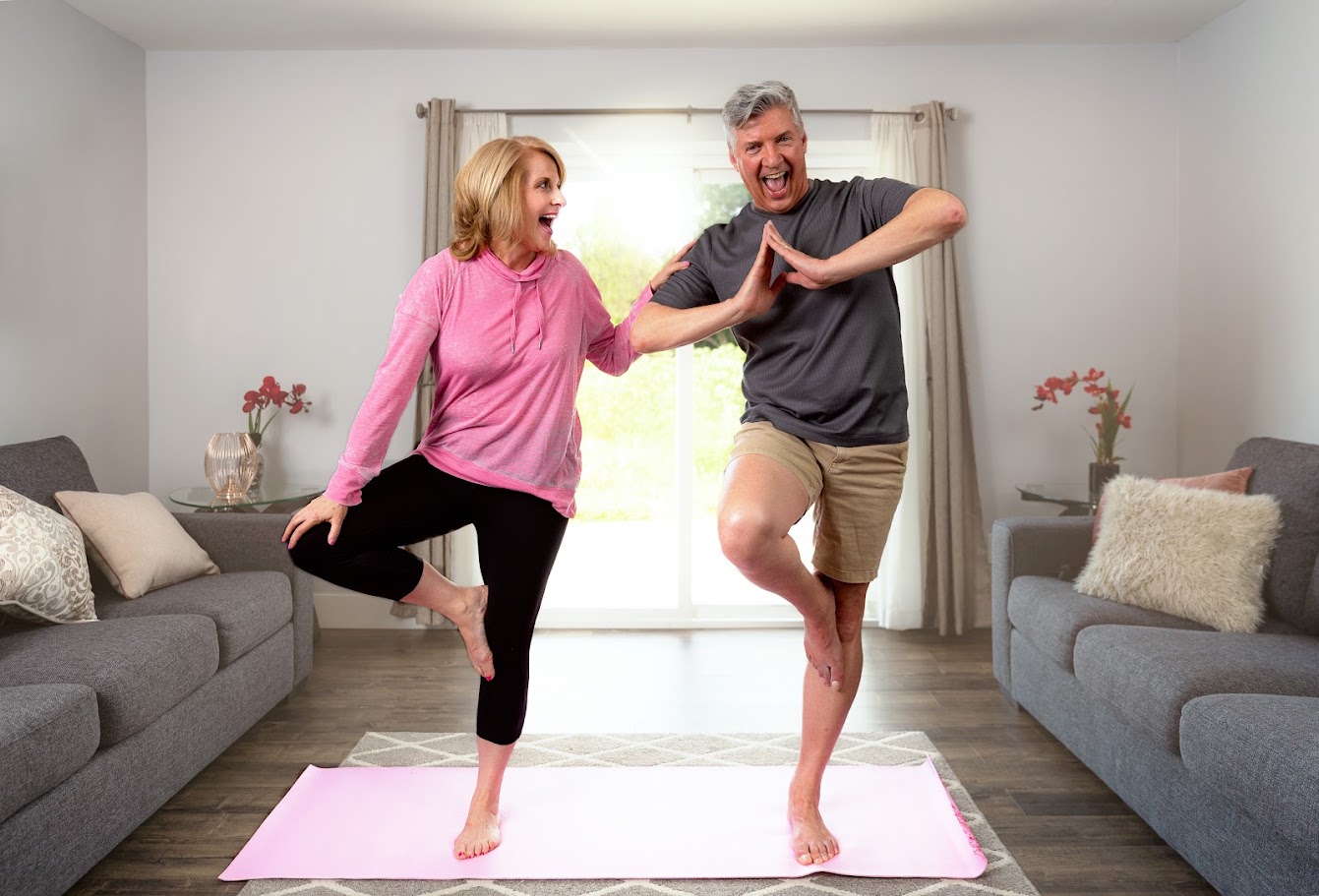
Turning 40 (or 50, or 60) doesn't mean slowing down — it means training smarter. For men and women across the St. Louis area juggling careers, families, and busy schedules, fitness after 40 isn't about chasing a six-pack or hitting a personal record. It's about building strength that supports daily life, protecting joints and mobility for the decades ahead, and using movement as one of the most effective tools available for managing stress and mental health. Here's a practical look at home workouts, home gyms, and stress management that actually fits a St. Louis lifestyle — humid summers, icy winters, and all.
Why Fitness Looks Different After 40
The biggest shift in fitness thinking over the last few years isn't a new workout fad — it's a change in why people train. Rather than chasing rapid weight loss or high-intensity burnout, the current focus for adults 40 and up is on longevity: preserving lean muscle, protecting joint health, and building strength and balance that lasts for decades, not just months.
That shows up in a few practical shifts worth knowing about if you're restarting a routine:
- Strength training now leads, not cardio. Building and maintaining lean muscle supports metabolism, bone density, and everyday function — carrying groceries, climbing stairs, playing with grandkids — in a way that cardio alone doesn't.
- Low-impact is in, high-impact is out. More people are shifting away from high-impact aerobics toward options like walking, swimming, cycling, yoga, and Pilates — gentler on joints while still delivering real cardiovascular and strength benefits.
- Functional training matters more with age. Movements that mimic real life — squatting, hinging, pushing, pulling, carrying — do more for people over 40 than isolated machine exercises, especially for anyone dealing with desk-job posture or a history of back or joint issues.
- Recovery is part of the program, not an afterthought. Sleep quality, mobility work, and built-in rest days are now considered just as important as the workout itself, particularly as recovery naturally slows with age.
Home Workouts and the Case for a Home Gym
For a lot of St. Louis-area adults, the biggest barrier to consistency isn't motivation — it's logistics. Missouri winters make a 6 a.m. drive to the gym unappealing, and summer humidity does the same for outdoor training. That's a big reason home workouts and home gyms have become such a durable trend rather than a passing fad.
The real benefits of training at home:
- No commute, no excuses. Eliminating drive time to a gym is consistently the single biggest factor in whether people over 40 stick with a routine long-term.
- Privacy and pace. No waiting for equipment, no self-consciousness about form while you're relearning movements, no crowded weight racks after work.
- It pays for itself. A basic, effective home setup — adjustable dumbbells, a bench, and resistance bands — typically runs $300–$800, and a more complete strength-focused setup with a rack and plates lands around $1,000–$5,000. Compare that to a $50–$100/month gym membership, and most home gyms pay for themselves within a year or two.
- Flexibility for real schedules. A 20–30 minute strength or mobility session before work or during a lunch break is realistic in a way that a full gym trip often isn't — and shorter, consistent sessions are proving just as effective as long workouts for adults balancing work and family.
A realistic starter home gym for adults 40+ doesn't need to be elaborate:
- A set of adjustable dumbbells or a basic dumbbell rack
- Resistance bands (cheap, joint-friendly, great for mobility and warm-ups)
- An adjustable bench
- A yoga mat and a foam roller for mobility and recovery
- Optional: a kettlebell or two for functional, full-body movements
You can build this for well under $1,000, and it covers strength, mobility, and recovery — the three pillars that matter most after 40 — without a garage full of unused equipment.
Building a Fitness Routine That Actually Sticks
The honest truth: most new workout routines don't fail because of a bad program — they fail because of inconsistency. A sustainable weekly routine for adults 40+ generally includes:
- 2–3 strength sessions per week — compound movements like squats, hip hinges (deadlifts or kettlebell swings), rows, and presses. These build the muscle and bone density that become increasingly important with age.
- 2–3 low-impact cardio sessions — brisk walking, cycling, swimming, or an elliptical. Even a daily 20–40 minute walk has been shown to meaningfully improve mood and cardiovascular health in adults over 45.
- 1–2 mobility or flexibility sessions — yoga, stretching, or foam rolling to maintain range of motion and reduce injury risk.
- At least one full rest day — recovery is when the actual adaptation happens, and it matters more the older you get.
The general public health guideline of 150 minutes of moderate activity per week — roughly 30 minutes, five days a week — remains a solid, evidence-backed target, and it's achievable with home workouts alone.
Stress Management: Practical, Everyday Strategies
Stress doesn't ease up after 40 — it just changes shape, often shifting from career pressure to caregiving, health concerns, or simply carrying more responsibility for longer. A few practical, research-supported approaches:
- Move first, think later. When stress hits, a brisk 10-minute walk can be as effective at reducing acute anxiety as a much longer workout. You don't need a full session to get the benefit — you need to move.
- Protect your sleep like an appointment. Poor sleep amplifies stress and undercuts every other wellness effort, including workout recovery. Consistent sleep and wake times matter more than sleep gadgets or supplements.
- Use breathing and mind-body practices deliberately. Yoga, tai chi, and simple breathing exercises have consistent research support for lowering stress hormones like cortisol, particularly in adults over 50.
- Build in a genuine wind-down routine. A short walk, stretching, or a few minutes of quiet reading in the evening signals to your nervous system that the day is over — something a lot of 40+ adults skip in favor of scrolling a phone until bedtime.
- Don't underestimate community. Whether it's a walking group, a local class, or simply a workout partner, training with other people is one of the most reliable ways to stay consistent — and social connection is itself a powerful stress buffer.
The Mental Health Connection
This isn't just feel-good advice — the research on exercise and mental health is some of the strongest in behavioral medicine. Regular physical activity is associated with meaningfully lower rates of anxiety and depression, and large-scale reviews of the evidence have found structured physical activity to be about 1.5 times more effective at reducing mild-to-moderate depression and anxiety symptoms than medication or therapy alone in some analyses — not a replacement for professional care when it's needed, but a genuinely powerful tool alongside it.
For adults over 40 specifically, the mechanism is well understood: exercise helps regulate stress hormones, improves sleep quality, supports neuroplasticity, and builds a sense of capability and control — all of which directly counter the anxiety and low mood that chronic stress produces. Even modest, consistent movement (a daily walk, two or three short strength sessions a week) produces measurable improvements in mood and stress resilience within weeks.
A Realistic Starting Point
You don't need a garage gym overhaul or a 2026 wellness trend to get the real benefits here. A realistic starting point for most St. Louis-area adults over 40 looks like:
- Two or three 20–30 minute strength sessions at home each week
- A daily walk, weather permitting — and Missouri gives you a genuine excuse to move that home workout indoors from December through February
- One stress-reduction habit you actually enjoy, whether that's yoga, a quiet walk, or simply a consistent bedtime
- A basic, budget-friendly home setup so "I didn't have time to get to the gym" stops being the reason a routine falls apart
Fitness after 40 isn't about doing more — it's about doing the right things consistently. A modest home setup, a realistic weekly routine, and a little intentional stress management go a long way toward both physical health and genuine peace of mind.
Check out this article next